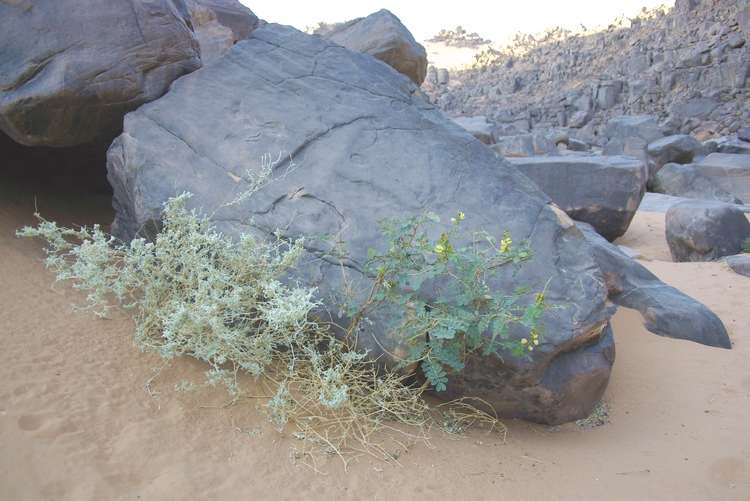
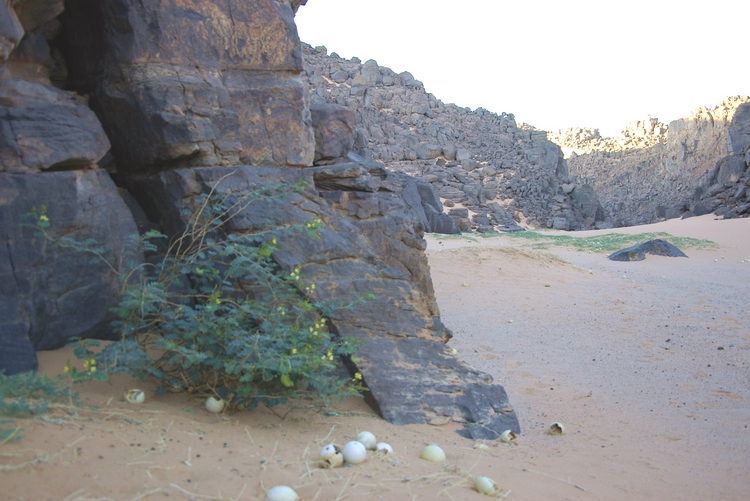
Cassia italica
Observations:
Karkur Talh (Jebel Uweinat), October 2005, following rain
Karkur Talh (Jebel Uweinat), October 2006, remnant vegetation of 2005 rains
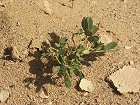
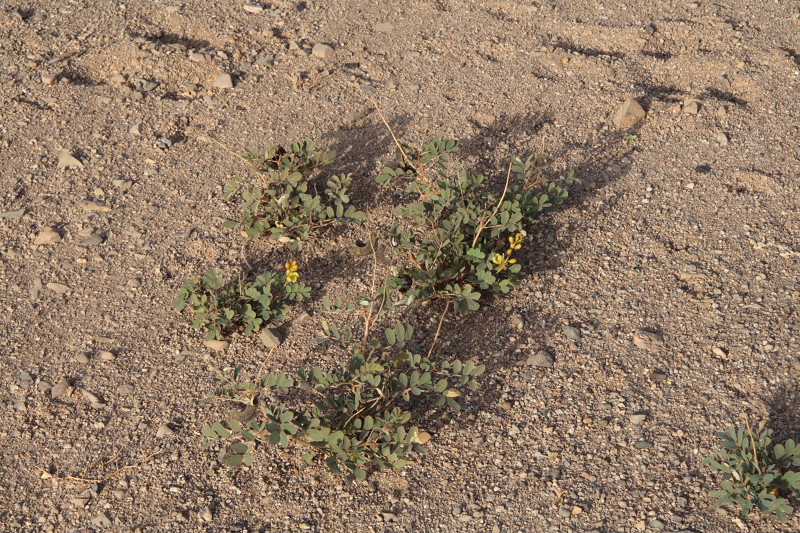
Middle Karkur Talh (Jebel Uweinat), March 2007, remnant vegetation of 2005 rains
Wadi Handal (Jebel Uweinat), October 2005, following rain
Wadi Handal (Jebel Uweinat), October 2006, remnant vegetation of 2005 rains
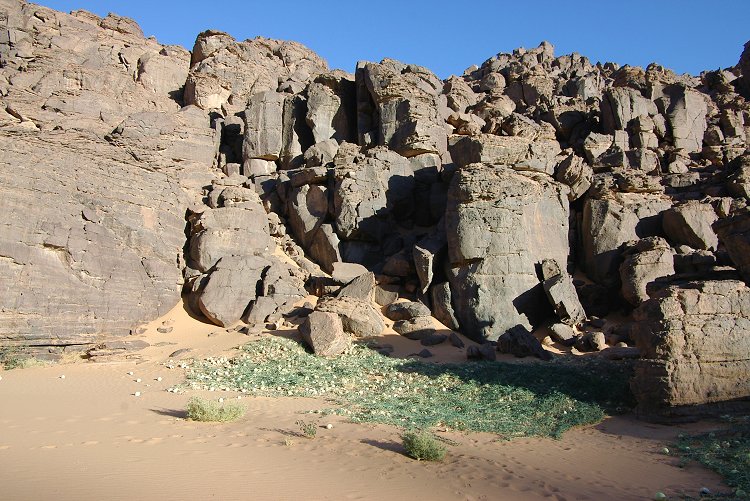
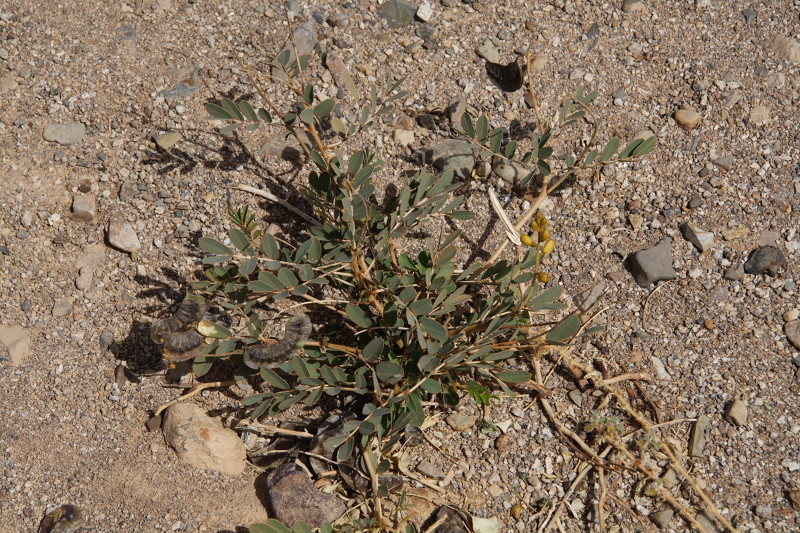
Wadi Handal (Jebel Uweinat), October 2007, remnant vegetation of 2005 rains
Emeri Highland (Jebel Uweinat), observation by Alessandro Menardi Noguera, April 2006, following rain
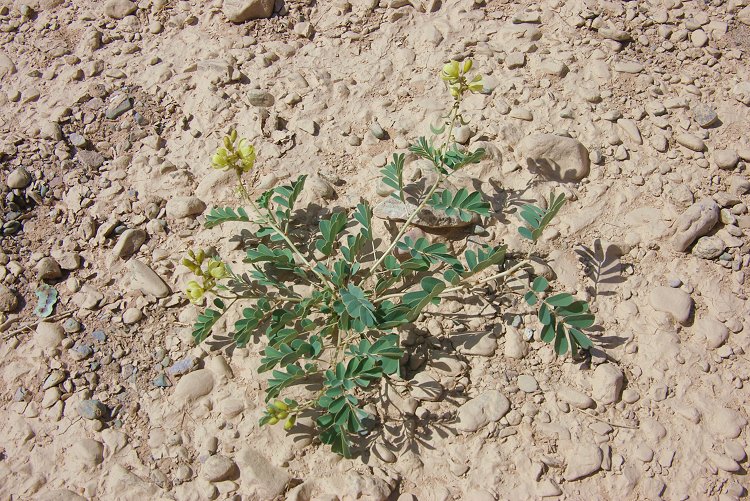
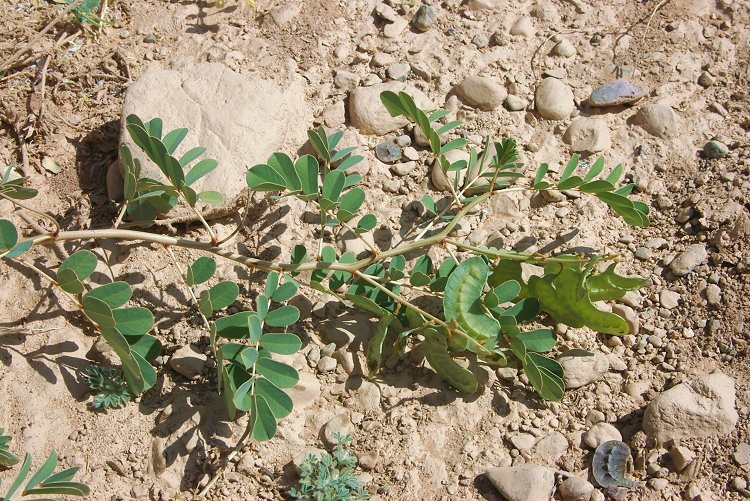
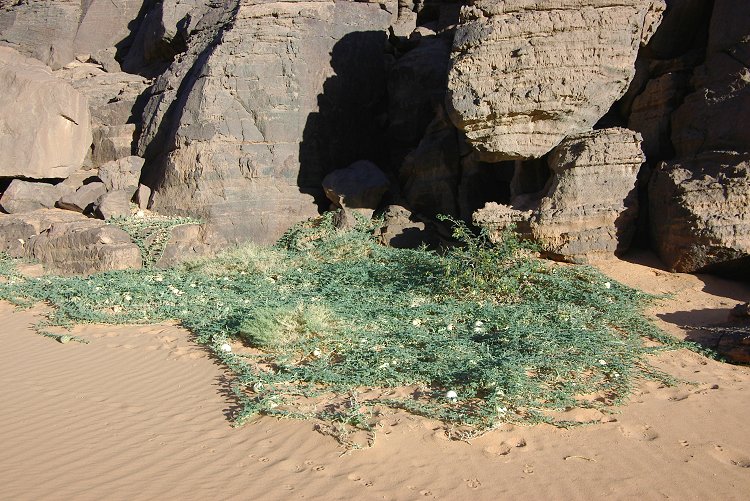
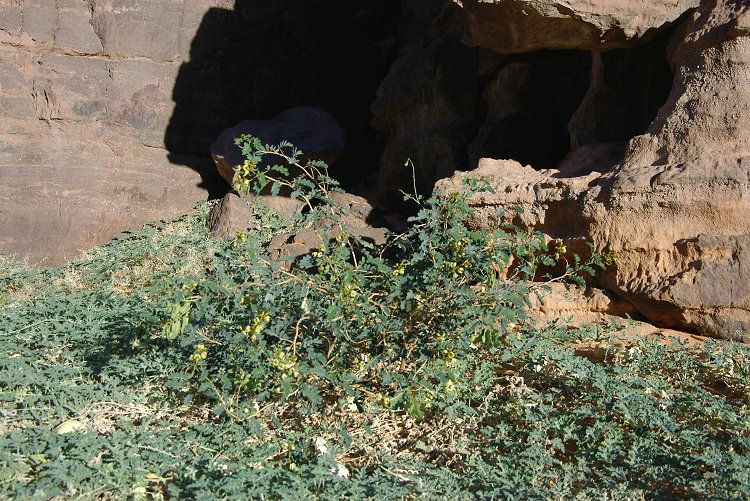
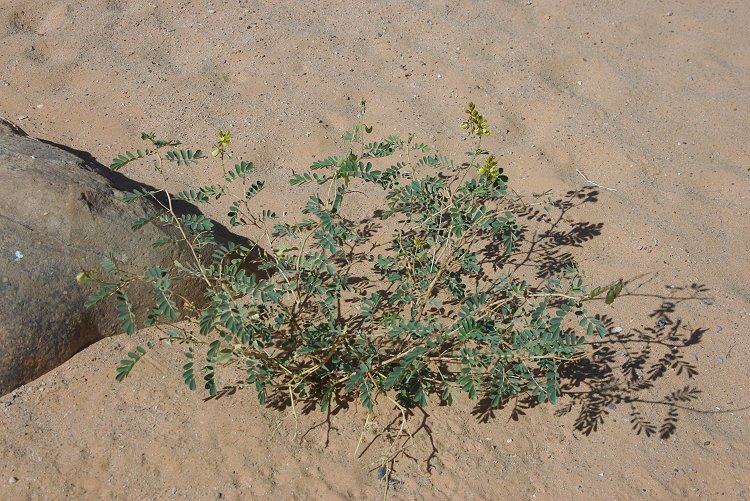
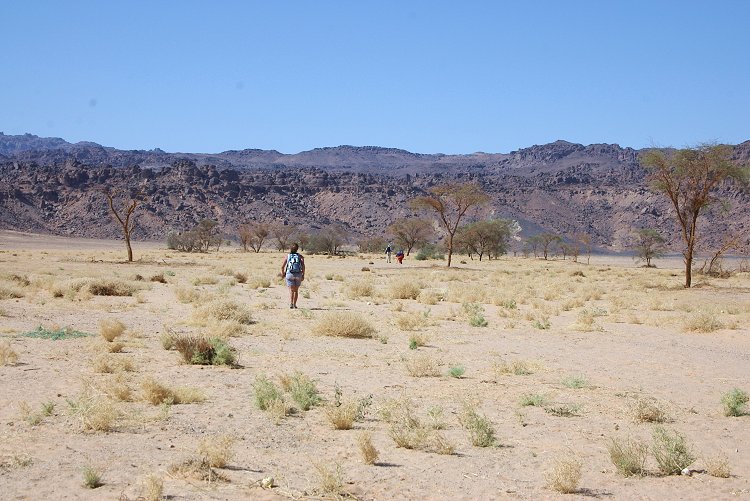
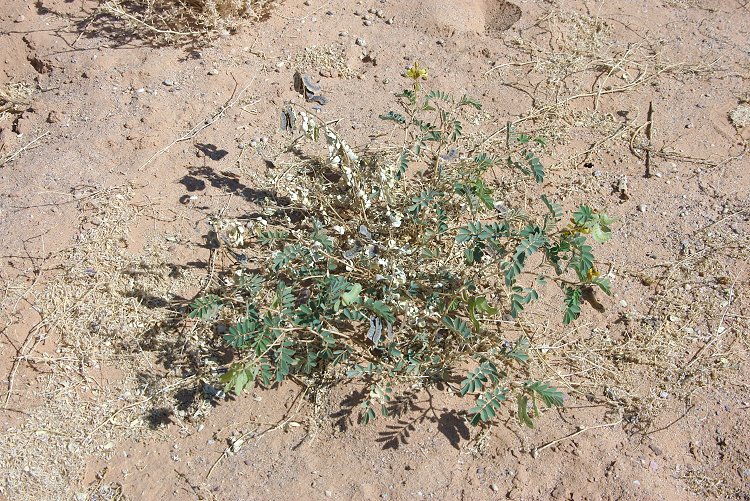
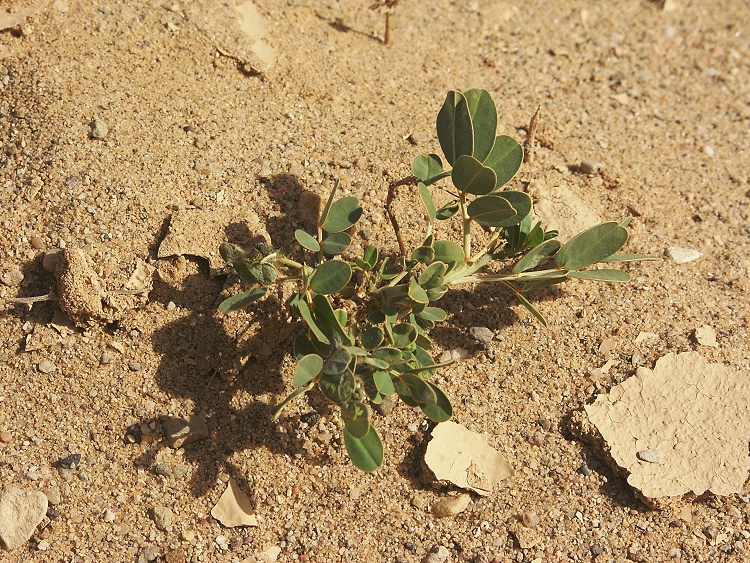
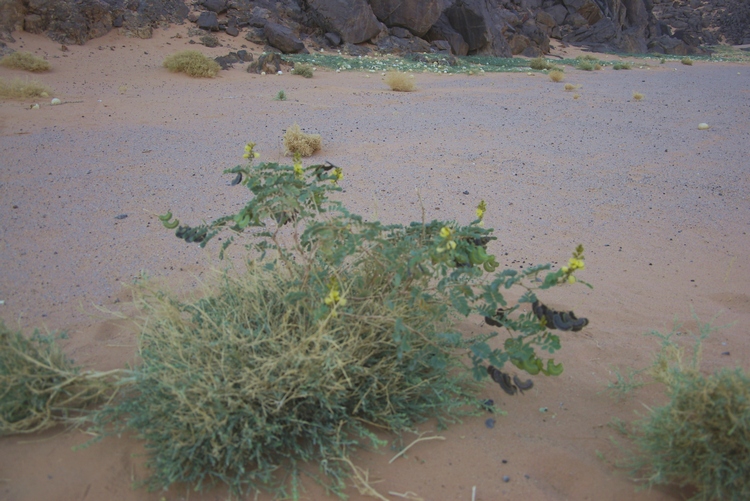
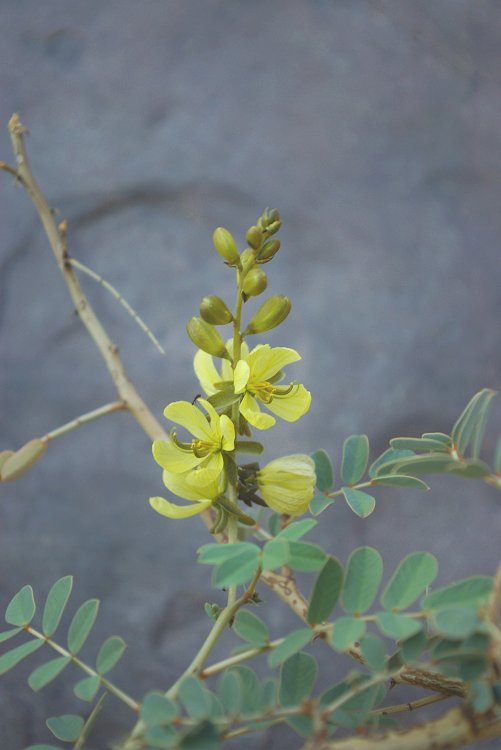
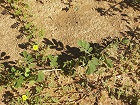
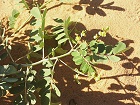
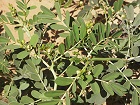
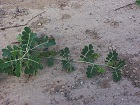
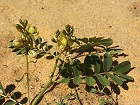
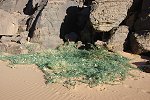
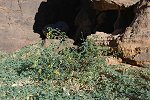
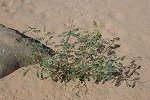
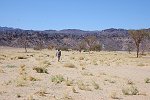
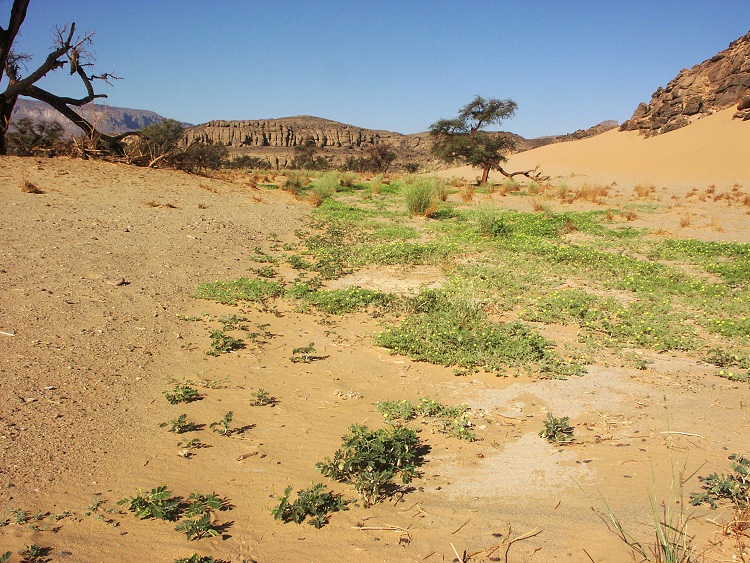
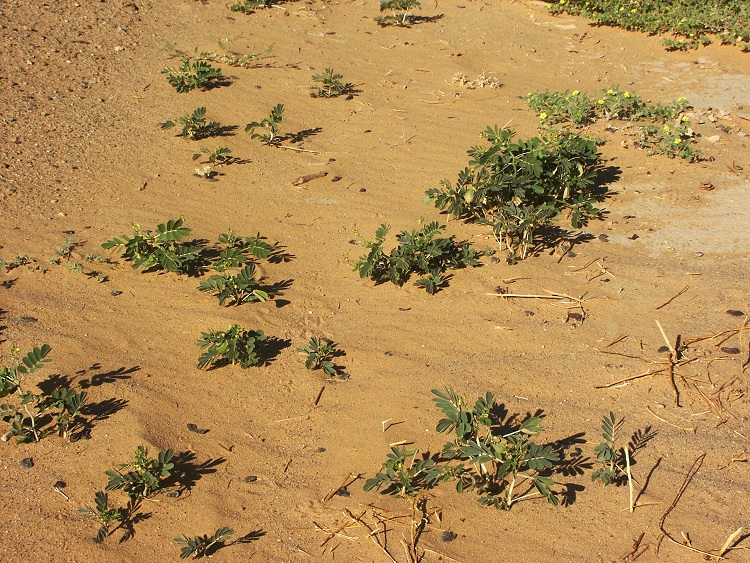
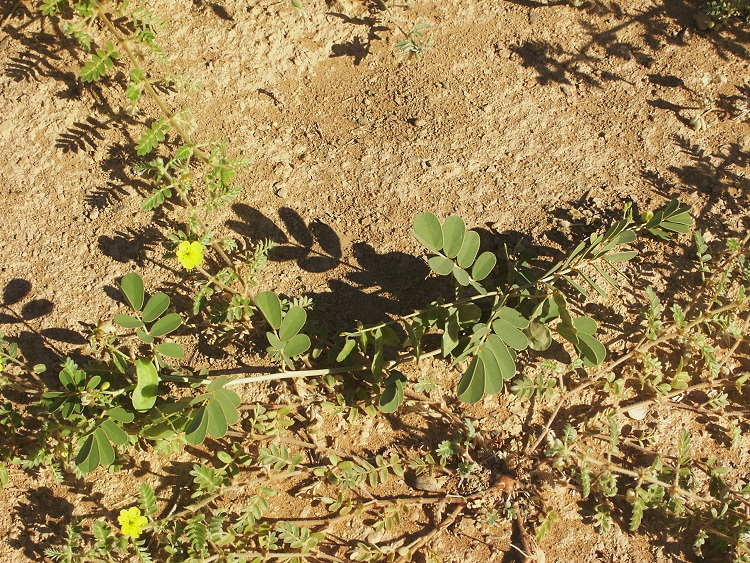
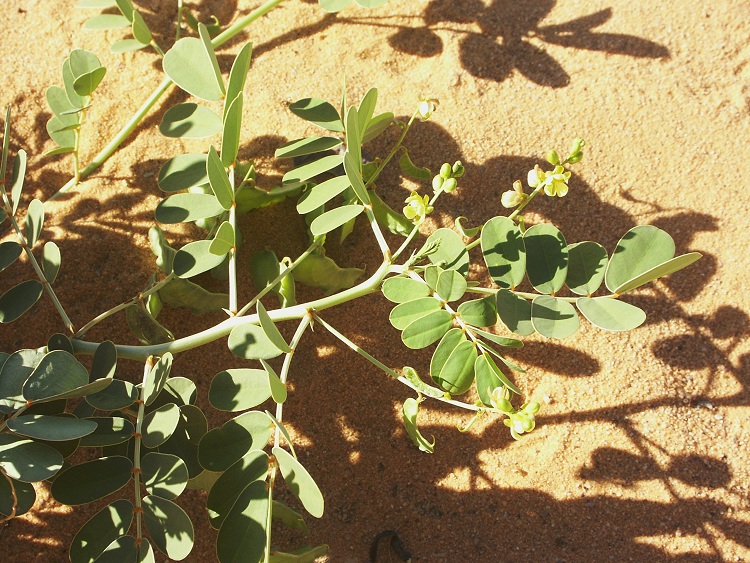
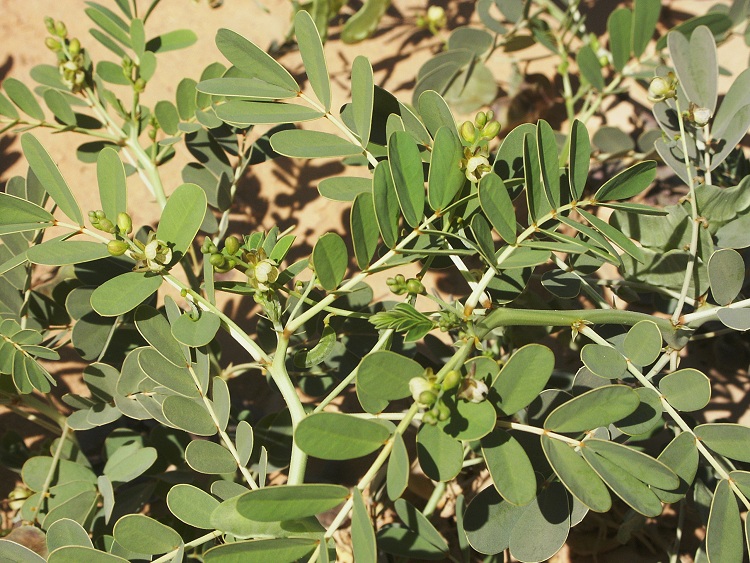
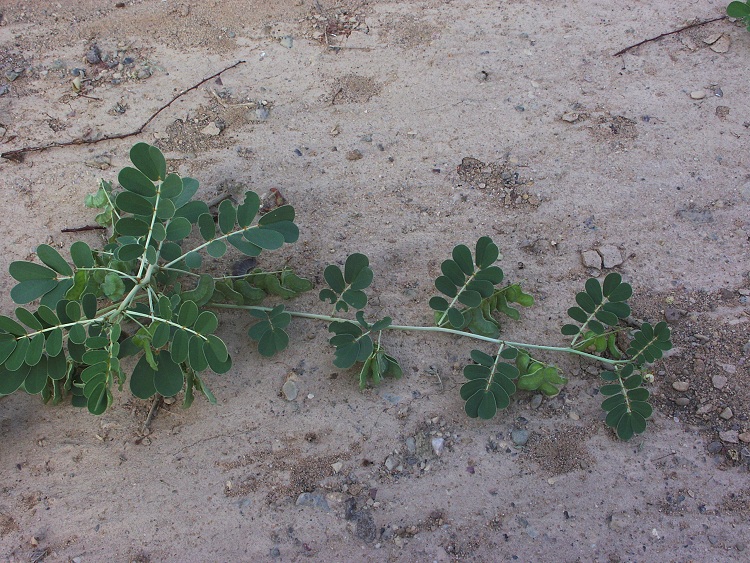
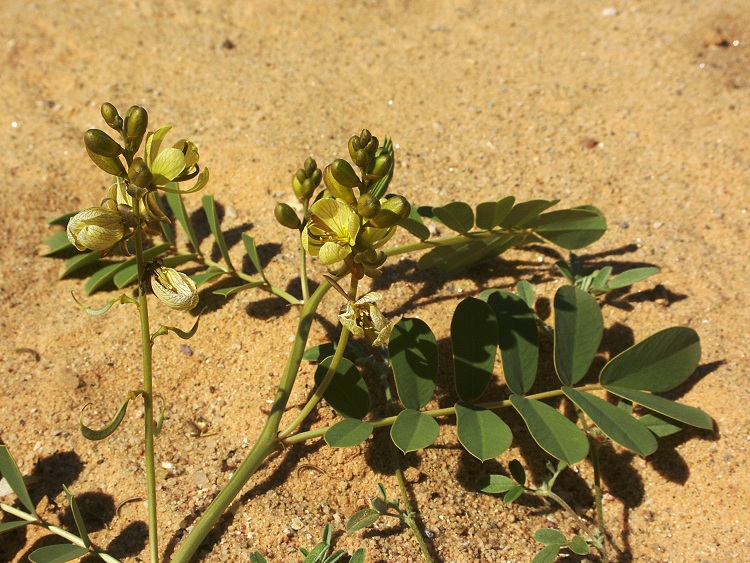
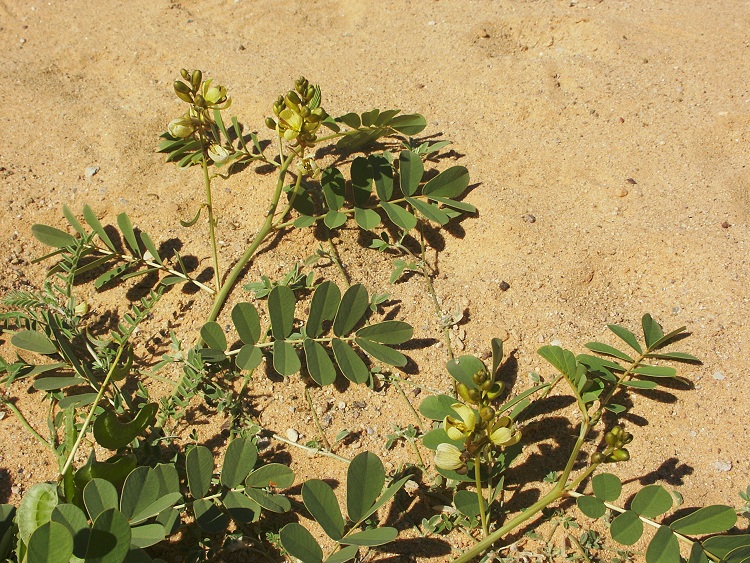
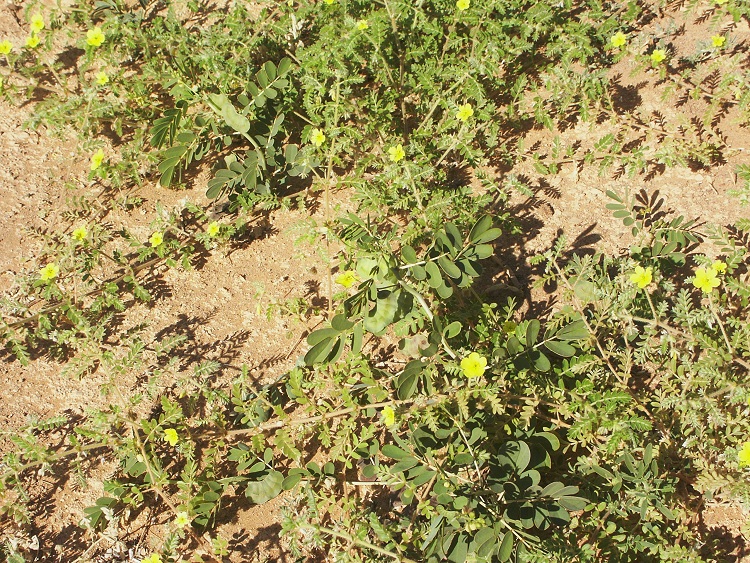
The species was noted in Karkur Talh and Wadi Handal following the rains of 2005 in areas dominated by Tribulus pentandrus. While not as abundant as Tribulius, it is the second most common species after rains in the lower courses of wadis at Jebel Uweinat. Most specimens noted were both flowering and bearing fruit. Young Cassia shoots were noted growing along the periphery of the moistened area, where Tribulus shoots were already withering. Sporadically the species can survive for up to a year following rain in favorable spots, some individuals even survived in Karkur Talh in green state up to March 2007. Several live examples were noted in Wadi Handal in October 2007, more than two years after the original rain.
|
|
|
|
|
|
|
|
|
|
|
|
|
|
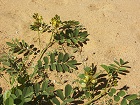
Middle Karkur Talh (Jebel Uweinat), in sandy wadi bed, 18th October, 2005
|
_4_s.jpg)
|
|
|
|
_9_s.jpg)
|
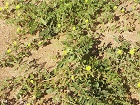
Cassia italica growing alongside Tribulus pentandrus and Panicum turgidum in middle Karkur Talh (Jebel Uweinat), 18th October, 2005
|
|
|
|
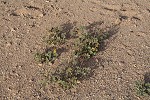
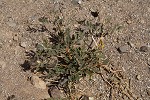
Emmeri highland (Jebel Uweinat), April 2006
(Photos by Alessandro Menardi Noguera)
|
_53_s.jpg)
|
|
|
|
|
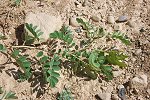
Upper Karkur Talh (Jebel Uweinat), alongside Fagonia indica, Cleome crysantha and a solitary Tribulus pentandrus, October, 2006
|
|
|
|
|
|
|
|
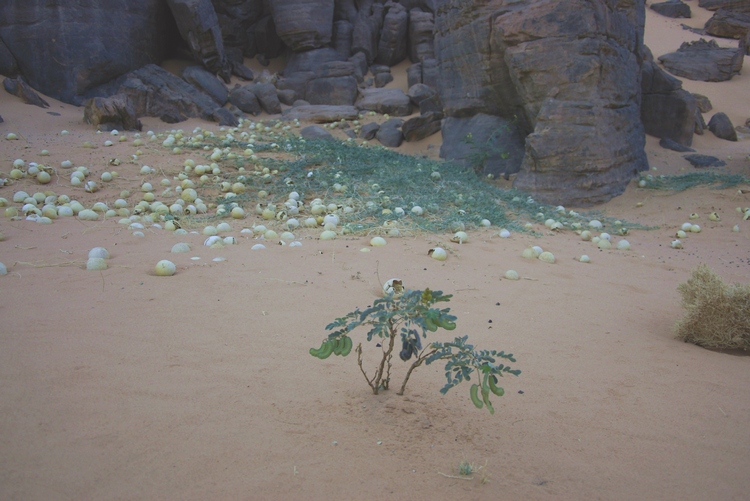
Intermingled with Citrullus colocynthis in lower Wadi Handal (Jebel Uweinat), October 2006
|
|
Middle Wadi Handal, October 2006
|
|
|
|
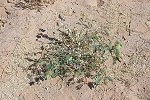
Basin in upper section of Wadi Handal (Jebel Uweinat), October 2006
|
|
Middle Karkur Talh (Jebel Uweinat), March 2007
|
|
|
|
|
|
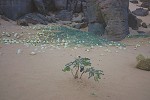
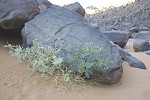
Lower Wadi Handal (Jebel Uweinat), October 2007
|

_4.jpg)
_9.jpg)
_53.jpg)